
Back to Articles
North America’s Looming Power Shortfall: A Root Cause Analysis for the Grid—and Beyond

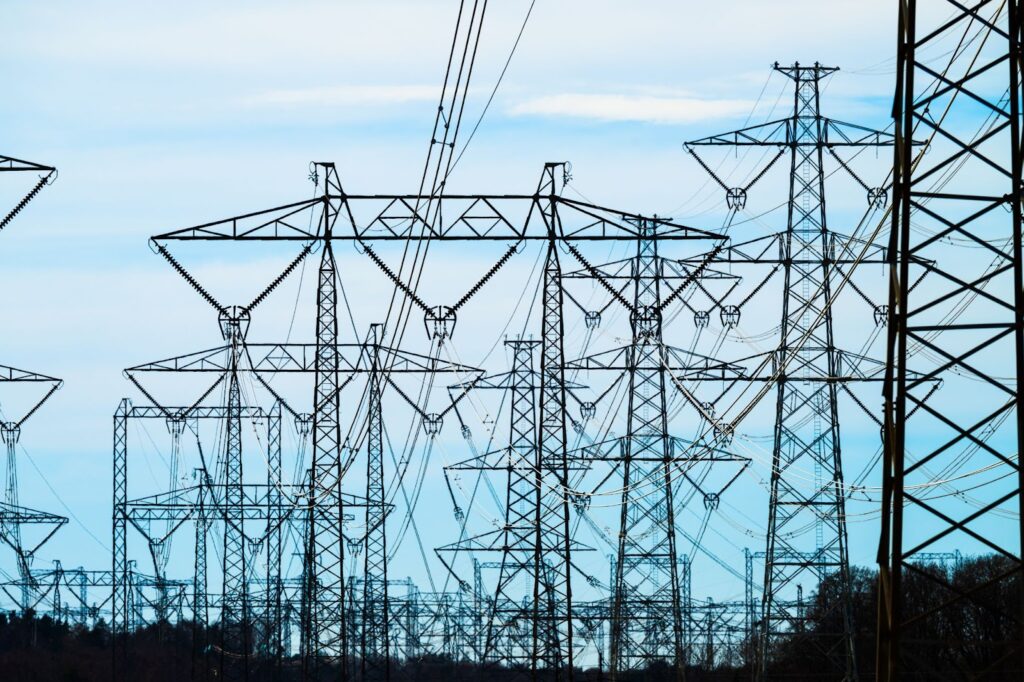
A new Utility Dive piece highlights how the North American Electric Reliability Corporation (NERC) had to rethink MISO’s shortfall risk when a data slip changed how the region’s summer capacity was forecast. It’s a wake-up call: small data errors can lead to big reliability surprises if teams don’t verify, monitor, and adapt fast.
So, what can we learn? Let’s look at it through the lens every reliability professional knows: root cause analysis.
What’s Driving the Risk? Digging Deeper
One simple data glitch can hide a web of deeper issues. For MISO, the correction flipped its summer shortfall risk to “low,” but the bigger lesson is clear: the system’s assumptions are fragile. Old plant retirements, new demand from data centers, weather extremes, and slow project approvals still strain capacity across North America.
Run it through the 5 Whys, and the real questions appear:
- Why was MISO misclassified? An input error slipped through.
- Why did nobody catch it sooner? Weak checks and data verification.
- Why does this one region matter? Power flows between neighbors.
- Why is the grid tight overall? Retirements outpace new builds.
- Why aren’t batteries closing the gap faster? They’re growing, but not fast enough.
Batteries: The Grid’s Shock Absorber
Utility Dive shows how storage and batteries are like the grid’s built-in buffer. When demand spikes or generation drops, batteries buy time. Good RCA isn’t just about spotting a root cause, it’s about putting in controls like large-scale batteries to keep problems from snowballing.
Early Warning and Smarter Monitoring
NERC’s yearly assessments—and this MISO correction—are big reminders that early warnings matter. Nobody wants to find out about a risk after the lights go out. For any reliability team, the same rule applies: track your data, verify your numbers, and monitor conditions in real time to catch small problems before they grow.
A Lesson for Every Reliability Team
One missed data point almost shifted how a whole region planned for summer peak. That’s why trusted monitoring, good verification, and clear scenario planning count, whether you run a grid, plant, or data center. Always ask: where could one small blind spot become your next big outage?
Turning Warnings into Prevention
Root cause analysis only works when you fix what caused the problem, not just patch the surface. At Reliability.com, we help teams build the tools, culture, and systems to find hidden gaps early—and close them for good.
Want more practical lessons on root cause analysis and resilience planning? Visit Reliability.com/resources.


Related Topics:
Ready to Get Started?
Getting started with EasyRCA is straightforward. We begin with a conversation to understand your current RCA process, then move forward only if it makes sense.
1
Connect with an RCA Advisor
Have a short, no-pressure conversation about how you currently handle RCAs.
2
Talk through your current RCA process and challenges
We focus on your tools, workflows, constraints, and where RCA slows down or breaks down.
3
Move into a tailored demo or pilot if it makes sense
If EasyRCA is a fit, we move forward. If not, you still leave with clarity on your RCA process.
No generic demos. No forced trials.